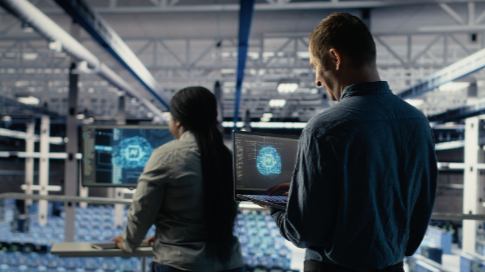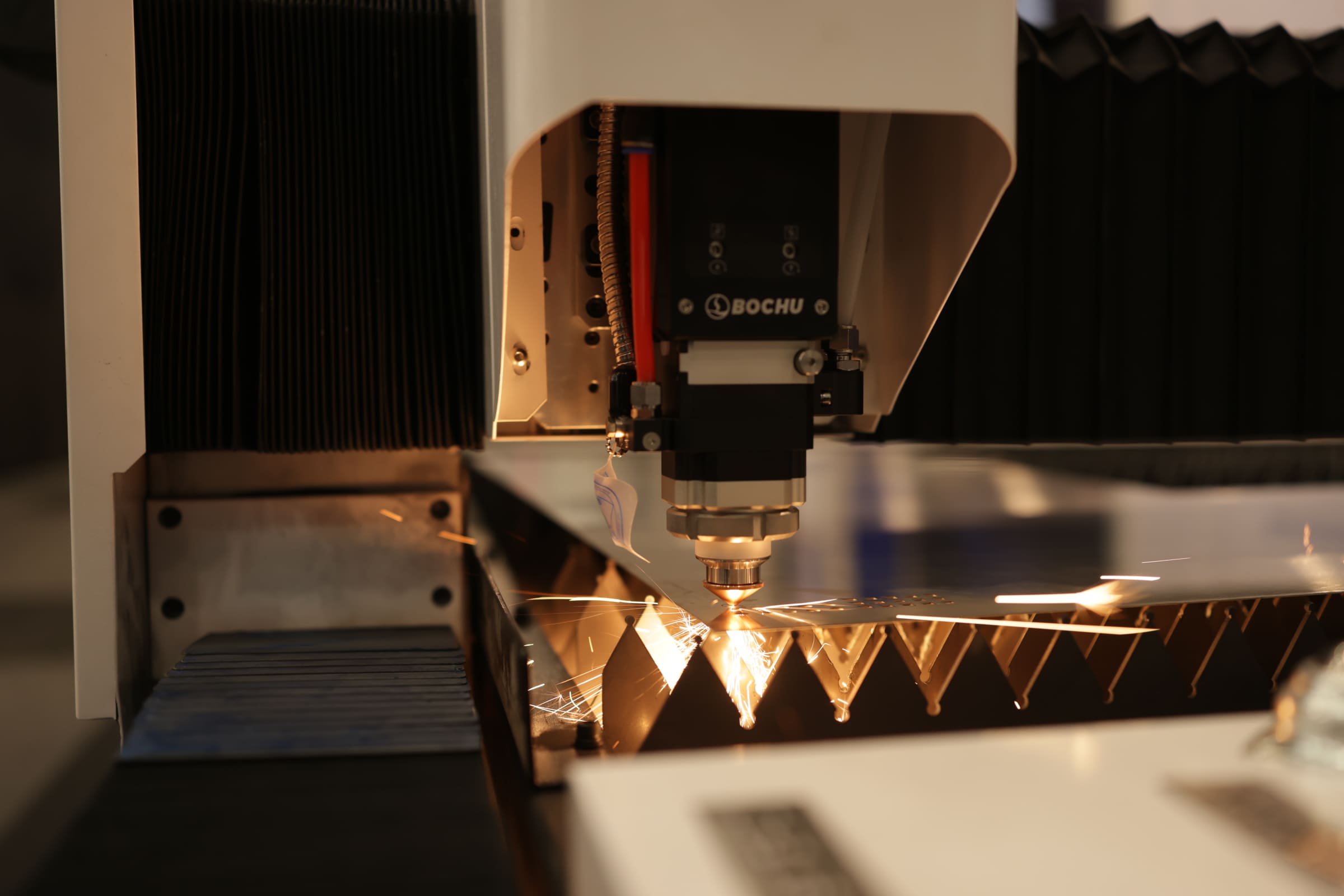
Growth in manufacturing no longer means simply installing more machines or expanding a plant. In 2026, the challenge is to produce more by making better use of equipment, data, and people, without allowing higher production volumes to generate more waste, errors, or variations in quality.
For manufacturers of furniture, components, and wood products, this transformation is particularly relevant. Automation, CNC machining centers, production software, sensors, artificial intelligence, and connected systems are enabling manufacturers to build more flexible and measurable production processes.
This shift is already visible on a global scale. According to the State of Smart Manufacturing Report 2026 by Rockwell Automation, based on responses from 1,560 manufacturers across 17 countries, 90% consider digital transformation essential to remaining competitive, while 59% are already actively using smart manufacturing technologies in their operations. (Rockwell Automation, 2026)
For companies looking to grow, the question is no longer simply how much they can produce, but rather: How can they increase capacity without losing control over quality?

When demand increases, purchasing another machine may seem like the fastest way to expand capacity. However, this type of investment will not necessarily solve the problem if the real constraint lies somewhere else in the process.
A production line, for example, may have sufficient cutting capacity but accumulate materials before machining, drilling, sanding, finishing, assembly, or packaging. Increasing the speed of the first operation even further could simply create more inventory waiting to enter the next stage.
That is why scaling begins by taking a closer look at the factory floor.
Cycle times, downtime, tool changes, rework, waste, equipment availability, and material accumulation between processes can reveal where production capacity is being lost.
In 2026, this assessment is also evolving through digitalization. Rockwell Automation's State of Smart Manufacturing Report 2026 indicates that the industry is moving beyond experimenting with smart technologies and toward integrating them directly into everyday operations. Only 18% of surveyed manufacturers remain in the pilot stage, while 59% are already actively using smart manufacturing technologies. (Rockwell Automation, 2026)
The distinction matters: before adding physical capacity, data can reveal how much untapped potential still exists within a company's current equipment and processes.
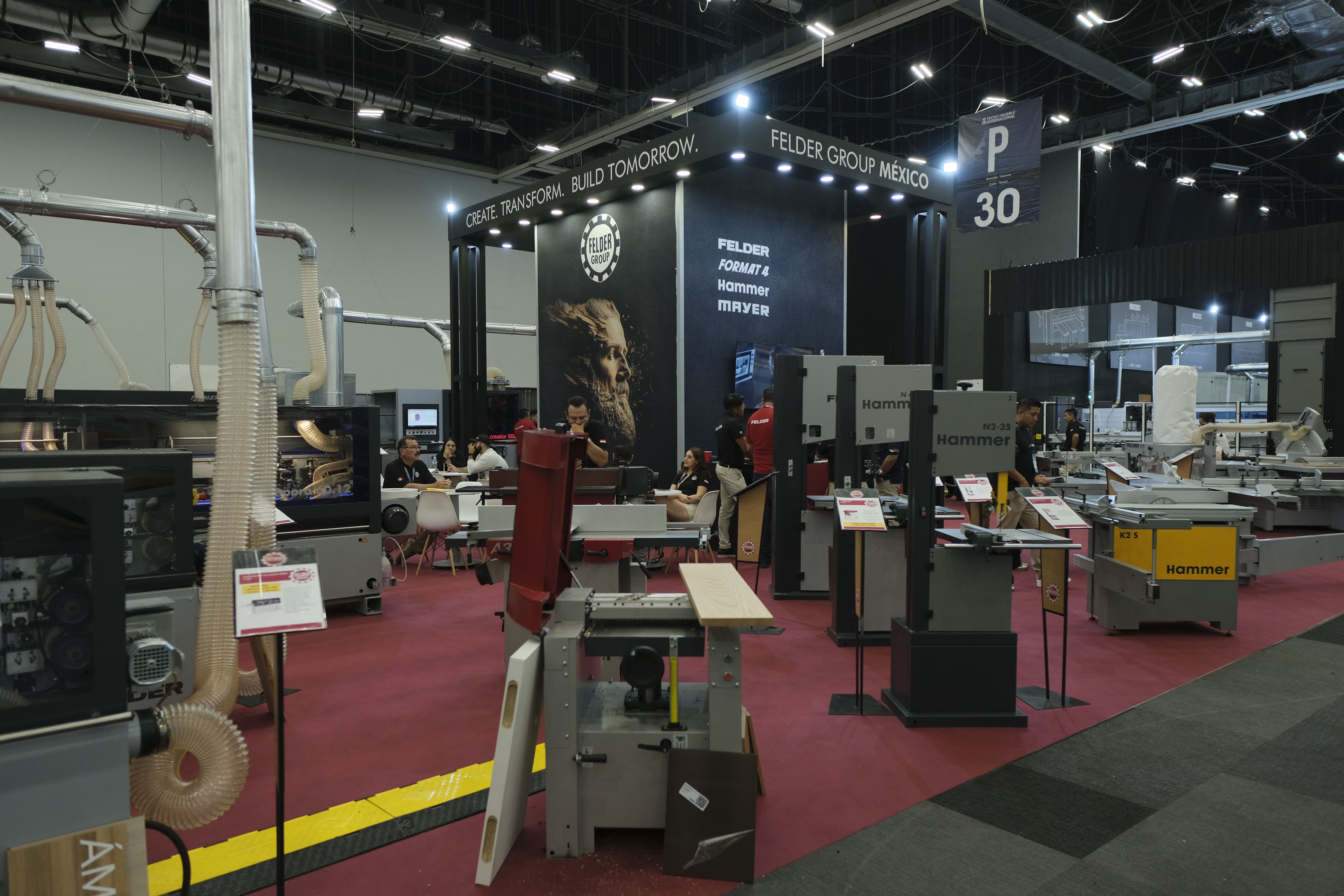
A manufacturing plant does not need to become a fully autonomous factory overnight to improve productivity.
Automation delivers the greatest impact when it addresses a specific production constraint.
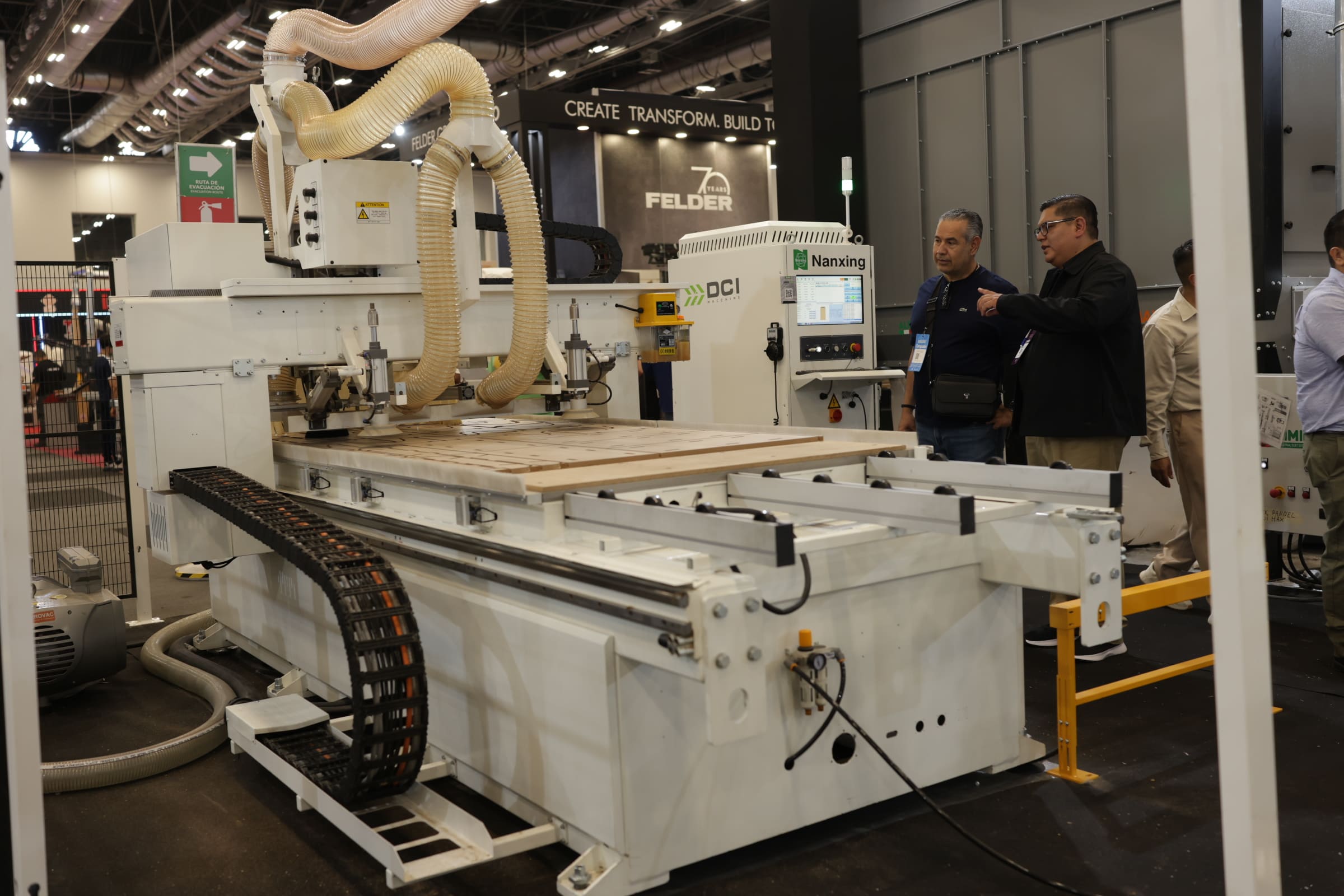
In a furniture factory, this could mean automating material feeding and unloading, incorporating CNC machining, connecting cutting and sizing processes, digitalizing production control, or using automated systems for material handling, storage, sanding, finishing, or assembly.
This direction is already visible specifically within the woodworking industry.
At Xylexpo 2026, SCM presented its vision of the factory of the future based on the integration of machinery, automation, software, and digital services, highlighting increasingly flexible and automated production systems as well as greater process digitalization. (SCM Group, 2026)
This changes the question manufacturers should be asking.
Instead of starting with "What machine do I need to buy?", a more strategic question is: "Which part of my process is limiting my growth, and what technology can remove that constraint?"
There is another factor that must grow alongside production capacity: quality.
Increasing production volume without strengthening process control can turn a deviation that once affected only a few pieces into a problem repeated hundreds of times.
For this reason, one of the most significant transformations in modern manufacturing is the shift from inspecting quality at the end of production to controlling quality throughout the process.
Sensors, vision systems, digital measurement tools, and data analytics can help manufacturers identify patterns and deviations earlier. Artificial intelligence is expanding these capabilities even further.
The AI in Manufacturing 2026 study by Deloitte, which included more than 140 manufacturing organizations, found that 84% of surveyed manufacturers are already obtaining measurable value from artificial intelligence. Quality was the area with the highest AI adoption among participants at 62%, followed by production at 57%. (Deloitte, AI in Manufacturing 2026)
For manufacturers looking to scale, this relationship is essential: the same technology that helps increase performance can also identify deviations before higher production volumes multiply their consequences.
Artificial intelligence in manufacturing is no longer limited to conversations about the future.
According to the State of Smart Manufacturing Report 2026, 34% of the operations of surveyed manufacturers are already augmented by AI, including applications related to quality and process optimization. (Rockwell Automation, 2026)
Deloitte, however, identifies an important distinction between using AI and successfully scaling it. Although 84% of manufacturers included in its study report measurable value, only 20% of the analyzed AI use cases have successfully reached scale. (Deloitte, AI in Manufacturing 2026)
That difference provides an important lesson for any growing company: implementing technology in an isolated operation is very different from building a system that can deliver consistent results across multiple machines, production lines, or plants.
Looking ahead to 2027, the opportunity will not simply be to experiment with AI, but to turn successful applications into repeatable, measurable, and scalable industrial processes.
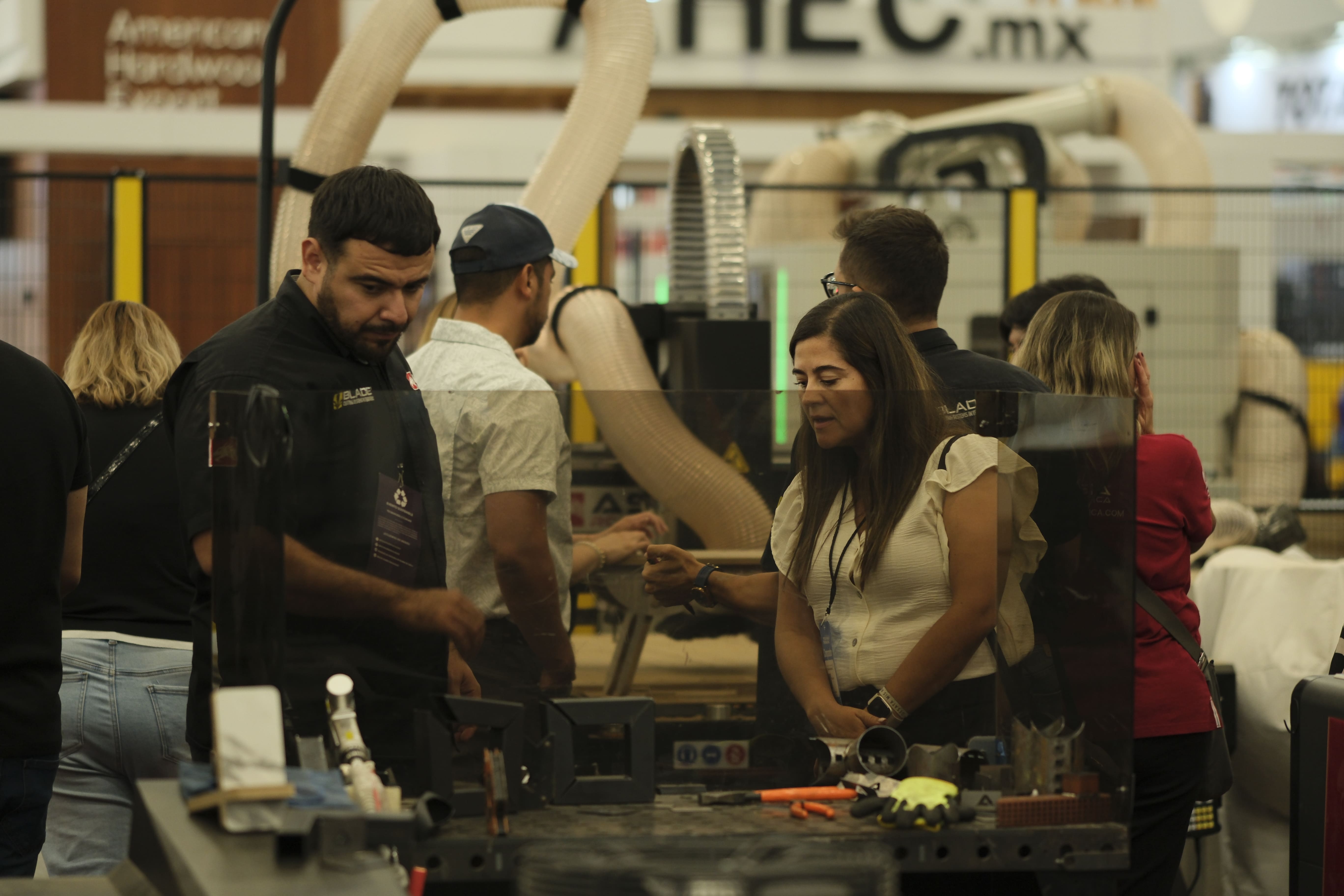
This transformation has particular relevance for Mexican manufacturing.
In June 2026, Mexico's Ministry of Economy presented the study México Inteligente: La manufactura frente a la oportunidad que no espera, developed by Centro México Digital using information from INEGI.
The analysis indicates that artificial intelligence adoption in Mexican manufacturing is still at an early stage. However, it found an association between AI adoption and measurable production outcomes, including 18.8% higher production among the analyzed companies that had adopted these technologies. (Mexico's Ministry of Economy, 2026)
This figure does not mean that implementing AI will automatically increase production by 18.8% in every factory. It does, however, show that technology adoption is beginning to be associated with measurable differences within Mexico's manufacturing sector.
For Mexican furniture manufacturers, this makes digitalization more than an international trend: it can become part of a concrete strategy for improving competitiveness.

A faster machine alone does not guarantee a more productive factory.
If production, quality, maintenance, and planning teams operate with disconnected information, a company may increase its physical capacity while retaining the same operational problems.
Smart manufacturing seeks to connect these variables.
In May 2026, Deloitte Latin America noted that digital technologies can provide greater traceability throughout the process, from planning and material receiving to production, storage, and final product delivery. (Deloitte Latin America, 2026)
This allows capacity decisions to rely less on perception and more on information about what is actually happening on the factory floor.
It also requires developing new capabilities among employees. Operators and production managers need to understand not only how to use a machine, but also how to interpret information, identify deviations, and take advantage of the digital tools that accompany new equipment.
A factory that successfully scales is not necessarily the one that replaces the most people with technology. It is the one that manages to make people, processes, machinery, and data work as a connected system.
In 2026, the answer is becoming increasingly clear: scaling is not simply about adding capacity; it is about making that capacity intelligent, measurable, and repeatable.
The first step is to identify which process is truly limiting production. The next is to determine whether the solution requires machinery, automation, software, data, artificial intelligence, or a combination of these technologies.
At the same time, quality must be integrated into the growth strategy from the beginning. Doubling production makes little sense if defects, waste, and rework also multiply.
The trends shaping the path toward 2027 point toward greater integration between automation, AI, connected systems, data analytics, and specialized talent.
For the furniture industry, this represents an opportunity to evolve from factories where each machine operates as an independent unit toward operations where equipment and processes can share information, adapt to different production requirements, and support better decision-making.
Because the goal of scaling should not simply be to manufacture more.
It should be to manufacture more, with greater control, without sacrificing the quality that made growth possible in the first place.
Growth does not begin with buying more. It begins by identifying which technology can transform the process that is currently limiting your production.
At Tecno Mueble Internacional, you can discover machinery, automation, software, and technological solutions designed to help furniture manufacturers move toward more connected, efficient, and competitive production processes.
Don't choose between producing more and producing better. Grow your production with the right technology.